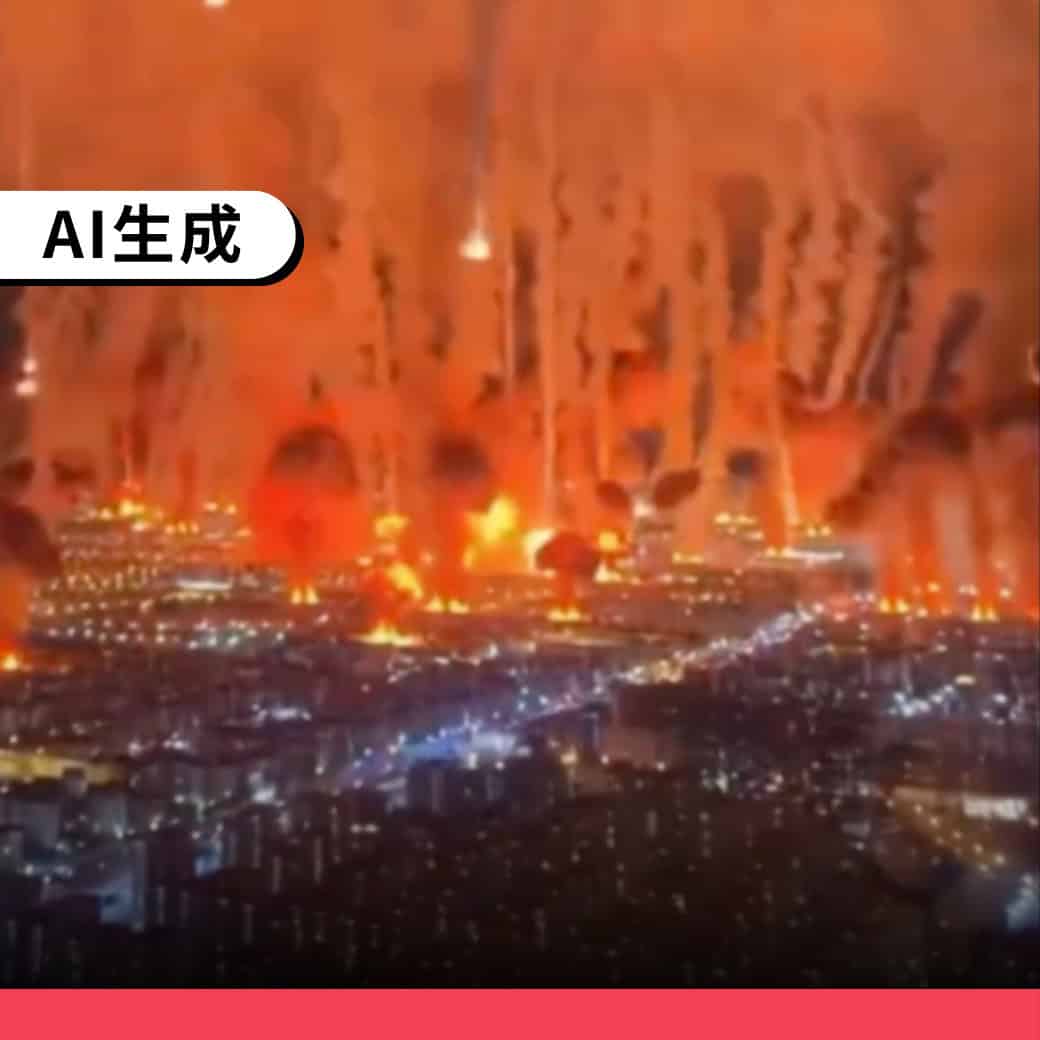
Example *1
“Meteor-like attack on Tel Aviv”
A dramatic war clip can feel urgent and believable, which is exactly why it spreads fast before people check it.
For General Readers
This public overview starts from a simple idea: AI can be useful, but good use requires judgment. The materials first explain how AI can help with learning, work, and everyday information tasks, then introduce DeepFake verification through real incidents, teaching materials, and practical tools.
Traditional Chinese course for adults, journalists, workshop participants, and the general public.
Story-based teaching slides for parents, teachers, and classroom use.
Lower-threshold game route with simpler tasks and lighter wording.
Higher-grade version with stronger emphasis on source tracing and tools.
Hands-on detector entry point for people who already understand the basic AI literacy workflow and want to test suspicious media directly.
These cases are practice materials after the basic AI literacy framing. Each image points back to the original report or article for that specific event.
A dramatic war clip can feel urgent and believable, which is exactly why it spreads fast before people check it.
Not every false video is fully AI-generated. Some are edited, reframed, and circulated as if they were real historical footage.

Warm and emotional clips are often shared without checking. That makes them useful teaching cases for public verification.
Verification is not only about faces. Audio rumors travel quickly too, especially once clips are reposted across platforms.
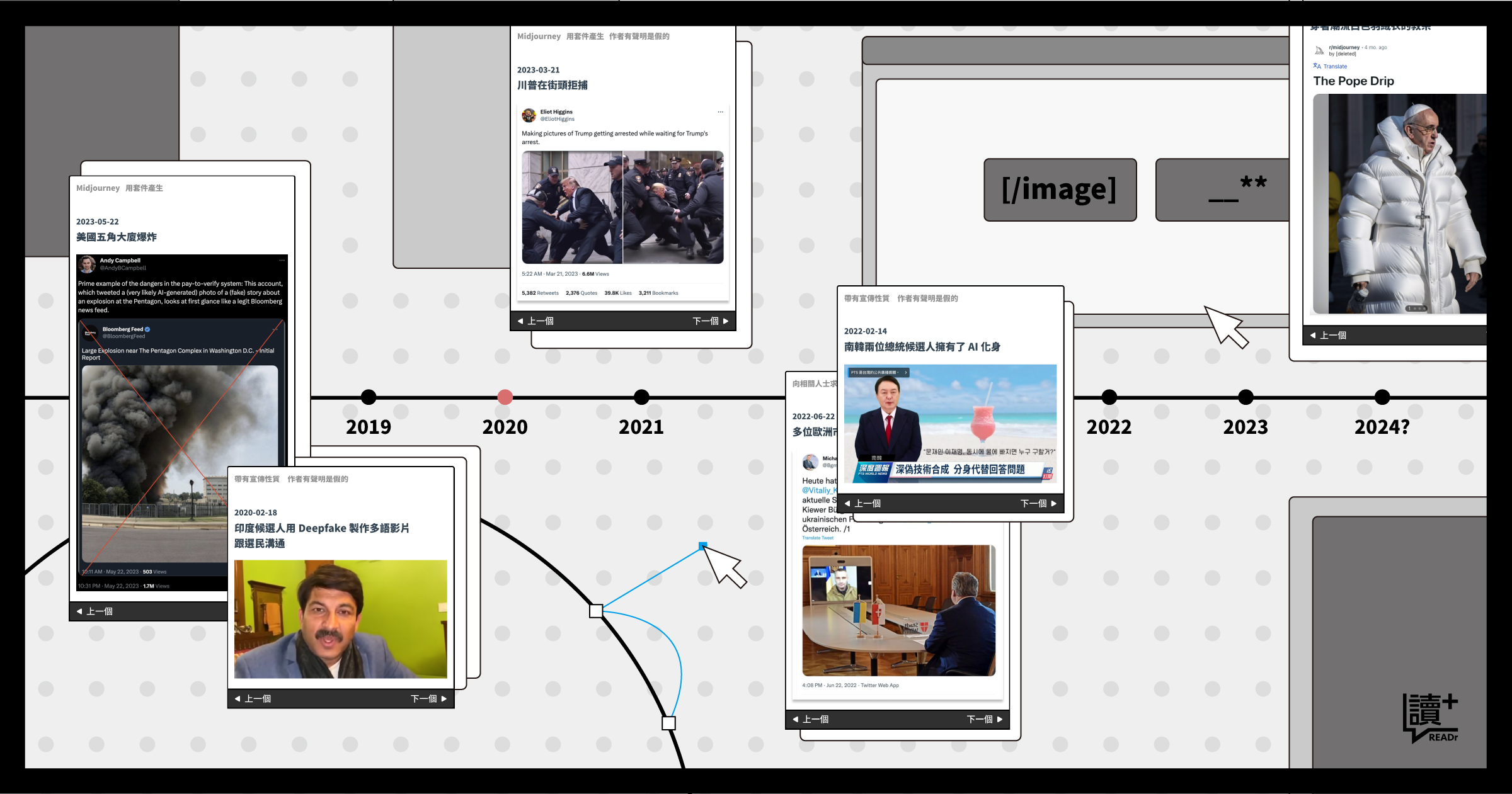
Some people need one case; others need the wider pattern. This archive is useful for seeing how Deepfake events accumulate over time.
For people who want a practical reference rather than only a case story, this guideline explains how AI-generated image verification can be handled in a newsroom workflow.
Do not forward a surprising clip just because it feels urgent or emotionally powerful.
Find the original post, publication, or fact check before trusting a screenshot or repost.
Reverse search and comparison tools are practical skills, not only technical tricks for experts.
AI detectors help, but the point is better verification with evidence, not blind trust in one score.
All external images on this page are attached to the corresponding original report or article above. They are included as cited event references so readers can immediately trace the source context.