AI Literacy Before DeepFake Detection:
A Course on Use, Limits, and Verification
This academic version frames DeepFake detection as one part of a broader AI literacy curriculum. The course first asks what generative AI can help people do, then examines where it fails, and only after that moves into verification, visual forensics, DeepFake detection, and real-world misinformation cases.
Course framing
This version is designed for university courses, invited talks, cross-disciplinary workshops, and public-interest collaborations. It keeps the evidence base, policy references, and Taiwan fact-checking context visible.
Academic route
- Chapter 01: AI capabilities and limits
- Chapter 05: responsible use in school, work, and sharing
- Chapter 04: visual forensics and DeepFake detection
- Chapters 06–07: tools, workflow, and real-world cases
Real incidents for verification practice
These cases appear after the AI literacy framing, so they function as practice material rather than fear-based opening examples. Each image links back to the original report or article for that event.
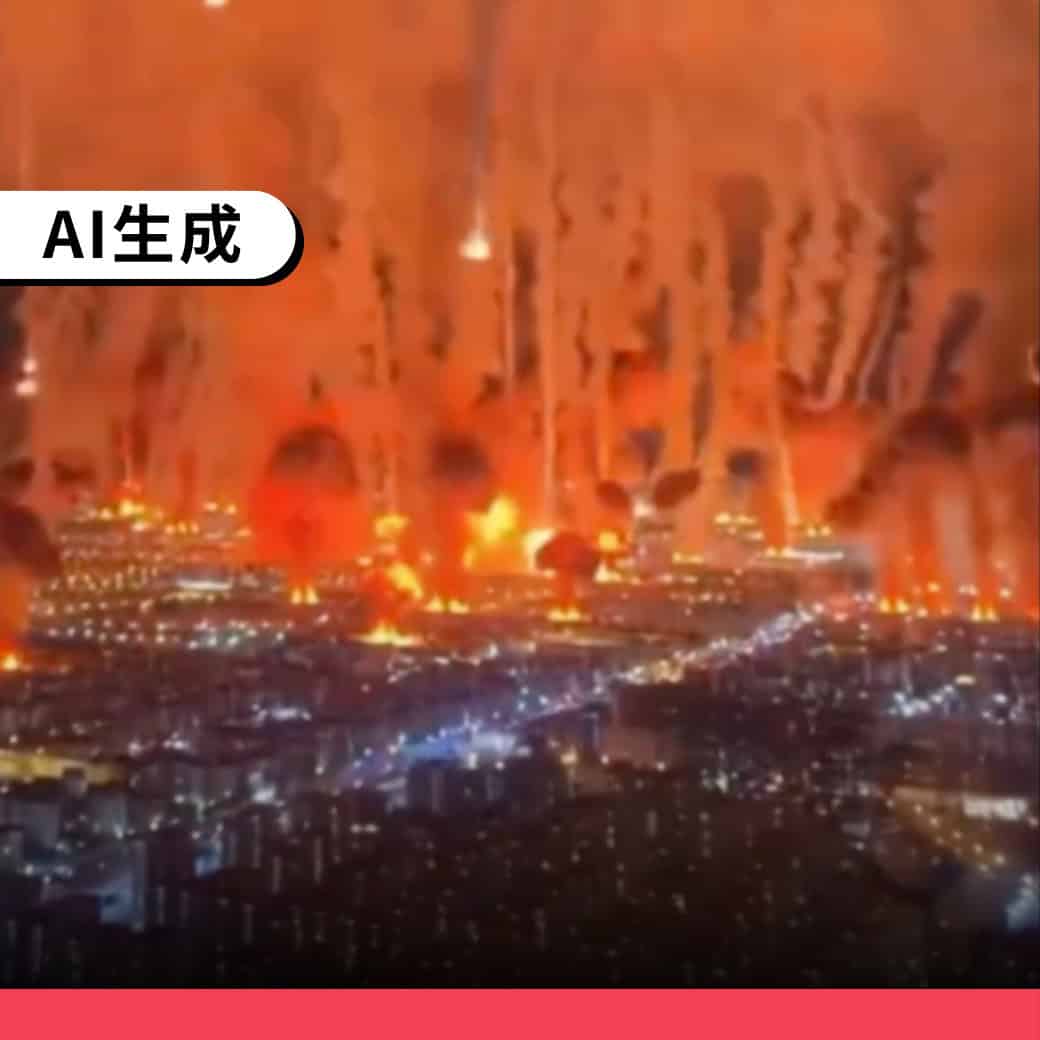
"Meteor-like airstrike on Tel Aviv" AI video
Crisis footage spreads because it looks urgent and cinematic. That makes it a strong teaching case for synthetic video plausibility.
Source: Taiwan FactCheck Center, 2026-03-26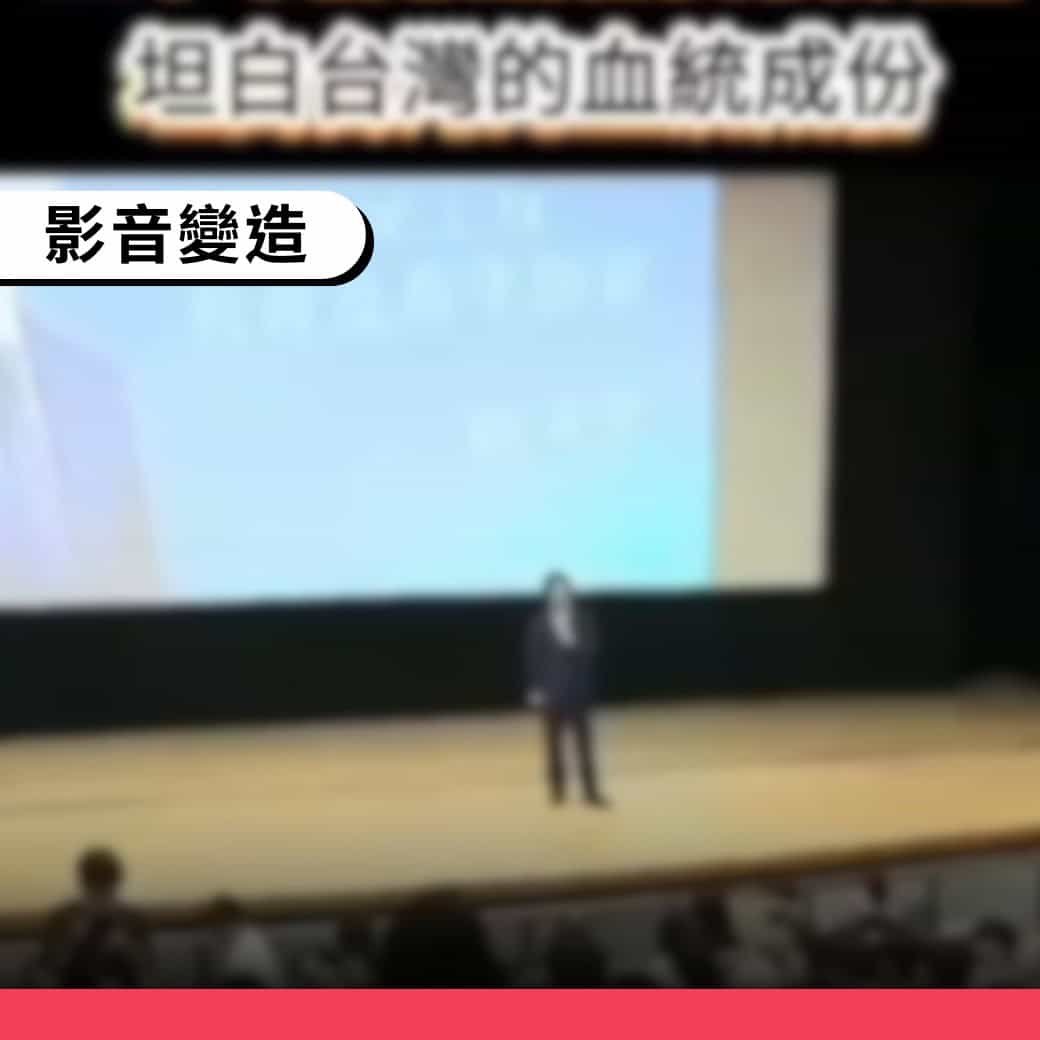
Fake edited "20 years ago Lai speech" clip
Not every false video is fully generated. Some are edited, reframed, and circulated as if they were authentic historical material.
Source: Taiwan FactCheck Center, 2025-03
AI-generated "elderly duet" video
Emotionally warm content is often shared with less skepticism, which makes it useful for teaching public verification habits.
Source: Taiwan FactCheck Center, 2025-02
Leaked fake political audio
Verification is not only visual. Reposted audio clips and platform-transformed voice content create their own misinformation risks.
Source: RFA / Asia Fact Check Lab, 2024-06-11
AI video of insects making flowers bloom instantly
Highly aesthetic “nature magic” clips are useful for teaching how overly perfect motion and timing can still be a red flag.
Source: Taiwan FactCheck Center, 2025-05
When an AI tool explains the news incorrectly
This case broadens the lesson beyond video: generative systems can also present wrong or incomplete information as if it were authoritative.
Source: Taiwan FactCheck Center, 2025-03